Superiority 1.Stable quality,we guarantee deeply analyze and demonstrate, purity more than 99%. 2. Factory outlet with priority price & large stock. 3. Special magic vacuum safe package & safe shipping way.All parcel shipments are shipped discreetly and secure under customers all requests. 4. We promise reship policies if post failed or refund if you need. 5. Rate
1.Stable quality,we guarantee deeply analyze and demonstrate, purity more than 99%.
2. Factory outlet with priority price & large stock.
3. Special magic vacuum safe package & safe shipping way.All parcel shipments are shipped discreetly and secure under customers all requests.
4. We promise reship policies if post failed or refund if you need.
5. Rate of passing customs is 99.9% including Russia、Australia and anyother.
6. TNT & UPS & DHL & EMS & Fedex or special line is available for you.Freight fee is all charge by seller.
7. Payment terms:Moneygram ,bitcoin ,T/T for your choices.
8. We will ship the goods within 5days after get your payments.If you want to cancel or change order, please tell me within 24hours after you finish the payment.So we both can make the best of the bad bargain.
Bulk Order: Shipped via sea or air, its according to your requirement, delivery time is 7-15days after payment.
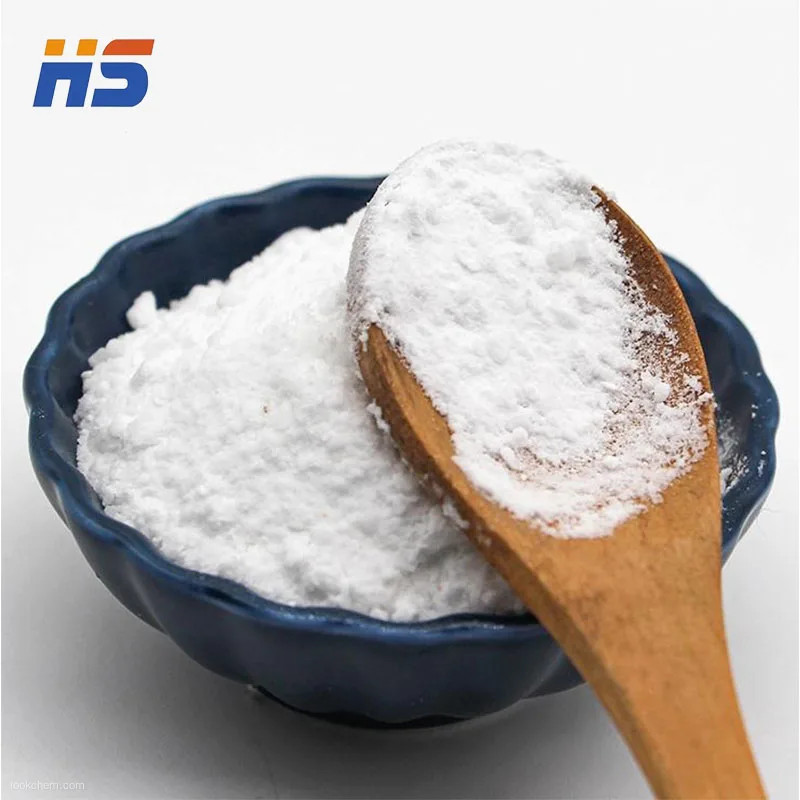
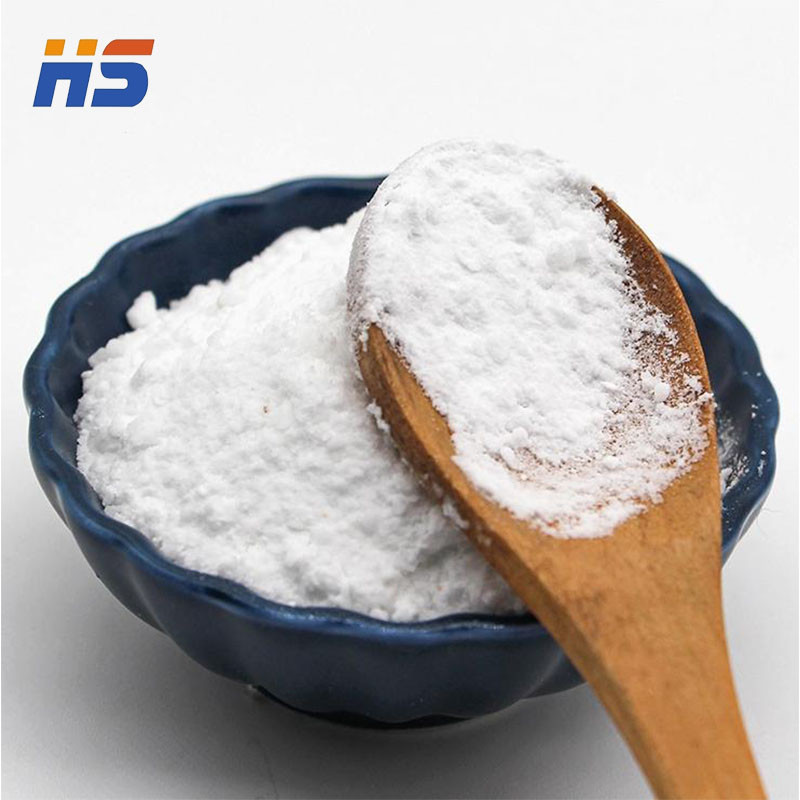
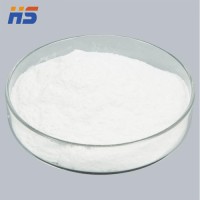
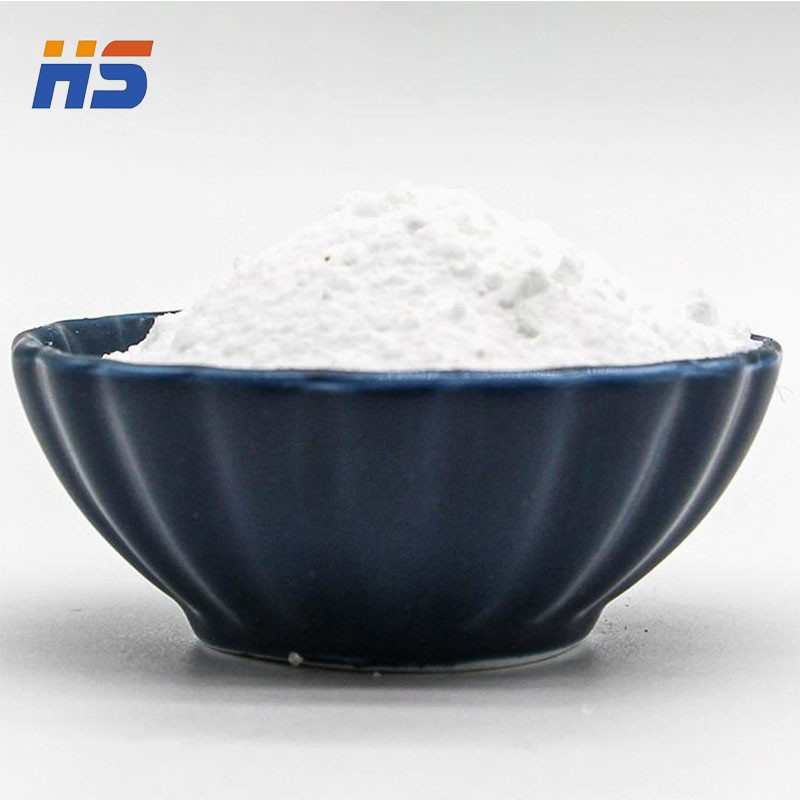
Sulfanilamide, also known as Sulphanilamide, 4-Aminobenzenesulfonamide or p-Aminobenzenesulfonamide, is a chemical compound that serves as an intermediate in the synthesis of various pharma-ceutical compounds. As an intermediate, sulfanilamide plays a crucial role in the production of drugs belonging to the sulfonamide class.
Sulfanilamide itself has antimicrobial properties and was one of the first synthetic antibiotics to be used in the treatment of bacterial infections. However, its primary use today is as a starting material or building block for the synthesis of other drugs.
The chemical structure of sulfanilamide contains a sulfonamide group (-SO2NH2) attached to a benzene ring. This functional group is important for its antimicrobial activity and serves as a key component in the synthesis of sulfonamide antibiotics.
Through chemical modifications and reactions, sulfanilamide can be transformed into a variety of derivatives with enhanced pharmacological properties. These derivatives can exhibit antimicrobial, antifungal, diuretic, anticonvulsant, or analgesic activities, depending on the specific modifications made.
As an intermediate, sulfanilamide is used in multi-step synthesis processes, where it undergoes various chemical transformations to create more complex drug molecules. It acts as a starting point for introducing additional functional groups or modifying the chemical structure to improve the desired therapeutic properties of the final drug product.
Overall, sulfanilamide as an intermediate plays a vital role in the pharma-ceutical industry, enabling the synthesis of a diverse range of drugs that are used to treat bacterial infections, fungal infections, epilepsy, pain, and other medical conditions.
Features
1. Versatility: Sulfanilamide can be readily modified and transformed into various derivatives through chemical reactions. This versatility allows for the production of a wide range of pharma-ceutical compounds with diverse therapeutic properties.
2. Building Block: Sulfanilamide serves as a fundamental building block in the synthesis of sulfonamide drugs. It provides a core structure upon which additional functional groups can be added or modified to create new drug molecules.
3. Chemical Reactivity: Sulfanilamide exhibits desirable chemical reactivity, making it amenable to various synthetic transformations. It can undergo reactions such as acylation, alkylation, condensation, and substitution, enabling the introduction of different substituents and modifications to its chemical structure.
4. Antimicrobial Properties: Sulfanilamide itself possesses antimicrobial properties, which were historically utilized for its antibiotic activity. While its primary use has shifted to that of an intermediate, the inherent antimicrobial activity can still be relevant in certain drug syntheses or applications.
5. Well-Studied: Sulfanilamide has a long history of use in the pharma-ceutical industry, and its properties as an intermediate are well-documented. Its synthesis, reactions, and modifications have been extensively studied and optimized, ensuring reliable production processes.
6. Regulatory Approval: Sulfanilamide and its derivatives have been widely used in the development of approved pharma-ceutical drugs. The regulatory bodies have evaluated and approved the safety and efficacy of many sulfanilamide-based drugs, facilitating their inclusion in medical treatments.
These features make sulfanilamide a valuable intermediate in pharma-ceutical synthesis, providing a foundation for the creation of various drugs with distinct therapeutic properties. Its versatility, reactivity, and well-established history contribute to its importance in the production of pharma-ceutical compounds.
Application
1. Sulfonamide Antibiotics
Sulfanilamide and its derivatives have been used in the production of sulfonamide antibiotics, such as sulfadiazine, sulfamethoxazole, and sulfisoxazole. These antibiotics are used to treat various bacterial infections.
2. Antifungal Agents
Sulfanilamide derivatives have been employed in the synthesis of antifungal agents, such as clotrimazole and miconazole. These medications are used to treat fungal infections.
3. Diuretics
Sulfanilamide derivatives have been utilized in the synthesis of certain diuretic drugs, such as acetazolamide. Diuretics increase urine production and are used to treat conditions like edema and high blood pressure.
4. Anticonvulsants
Sulfanilamide-based compounds have been used in the development of anticonvulsant medications, such as ethosuximide. These drugs are prescribed to manage and prevent seizures in individuals with epilepsy.
5. Analgesics
Sulfanilamide derivatives have been employed in the synthesis of analgesic drugs, such as acetaminophen (paracetamol). These medications are commonly used to relieve pain and reduce fever.