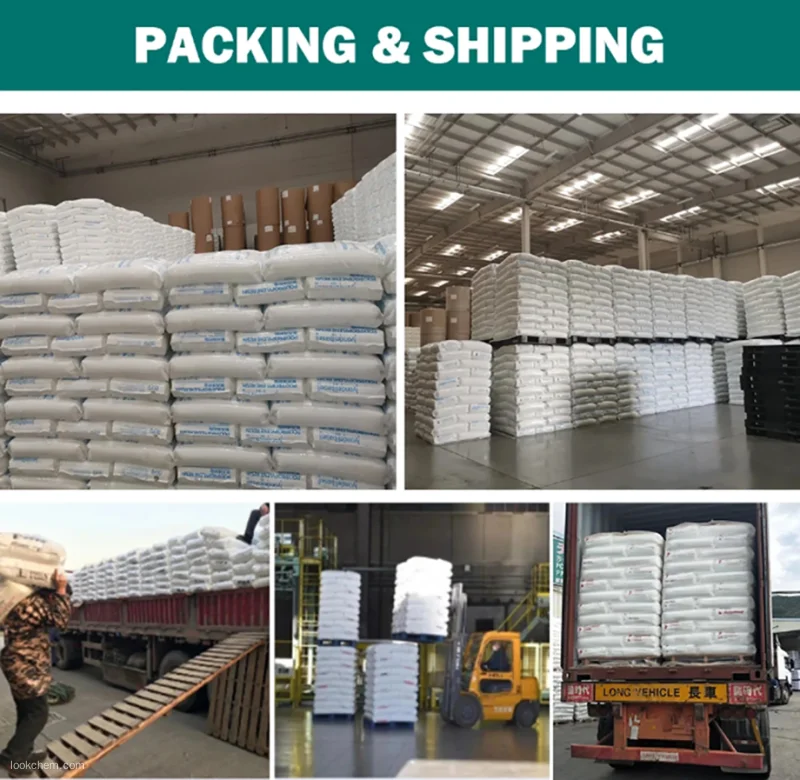
Superiority PackingStandard packaging includes the following: 25kg/drum Other package sizes are available upon request. StorageStore in a well-ventilated, cool, dry area, out of direct sunlight. Keep containers tightly closed when not in use. Period of validity24 months ? Product Superiority ? 1.High quality
PackingStandard packaging includes the following: 25kg/drum Other package sizes are available upon request.
StorageStore in a well-ventilated, cool, dry area, out of direct sunlight. Keep containers tightly closed when not in use.
Period of validity24 months
?
Product Superiority
?
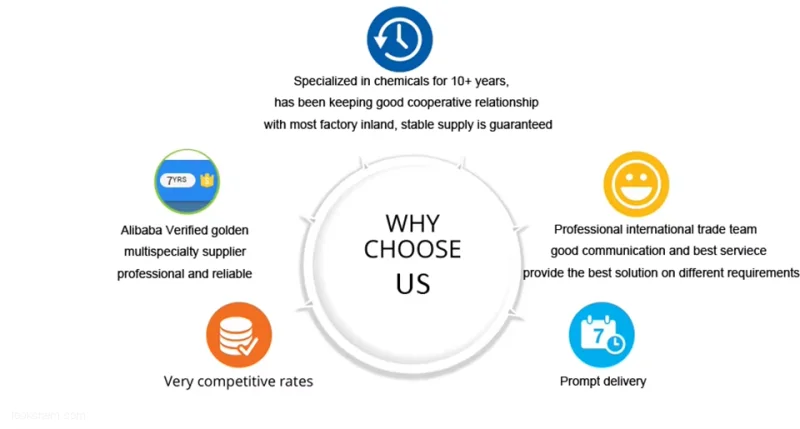
1.High quality with best price
2.Well reputation
3.Factory with strong supply ability
4. Prompt shipment
?
Packing & Delivery
?

FAQ
1. who are we? We are based in Shandong, China, start from 2014,sell to Southern Europe(00.00%),Domestic Market(00.00%),South America(00.00%),North America(00.00%),Eastern Europe(00.00%),Africa(00.00%),Eastern Asia(00.00%). There are total about 11-50 people in our office. 2. how can we guarantee quality? Always a pre-production sample before mass production; Always final Inspection before shipment3. why should you buy from us not from other suppliers? Have a strong ability to warehousing logistics and release permit of dangerous goods export right and use right, has a strong factory as a backstop. 4. what services can we provide? Accepted Delivery Terms: FOB,CFR,CIF,EXW; Accepted Payment Currency :USD; Accepted Payment Type: T/T,L/C; Language Spoken:English,Chinese
?
Our services
<1> Free samples for customer further evaluation before order and after production.
<2>Quality controlling throughout the production,inspection and shipment.
<3> Packing according to customers requirements.
<4> the nearest port to customer site,very convenient for discharge
<5> Complete documents for customer customs clerance
Friends at home and abroad, welcome to our company.
Want to get the latest best offer call me NOW!!! PLEASE CONTACT ME !!!!!!!
Anthraquinones are anthracene compounds with carbonyl groups at the C9 and C10 positions. They belong to the fused-ring organic compound family and are also known as 9,10-anthraquinones. Anthraquinones were first synthesized by Laurent in 1835 using nitric acid to oxidize anthracene. Anthraquinone derivatives are all colored and widely found in nature. Most anthracene compounds in natural products contain hydroxyl groups and often exist in a free state or in a glycoside-containing state. Free anthracene quinones and their glycosides often coexist in the same plant. Many laxative traditional Chinese medicines, such as rhubarb, aloe vera, senna leaves, and rhamnoides, contain laxative anthracene derivatives. Some natural anthracene compounds can be used as dyes, such as alizarin and hydroxyalizarin contained in madder. Anthraquinone components are commonly found in higher plants of the Polygonaceae, Fabaceae, Rubiaceae, and Rhamnaceae families, as well as in the metabolic products of lower plants such as lichens and fungi.
Main Uses and Applications
Anthraquinones are mainly used in dye production, serving as a primary raw material for mordant dyes, acid dyes, and vat dyes. Anthraquinones have long been used as raw materials for anthraquinone dyes and hold an important position in the dye industry. Anthraquinone derivatives are widely used in hydrogen peroxide production and the pulp industry. Many intermediates (especially aminoanthraquinones and hydroxyanthraquinones) can be derived from anthraquinones. These anthraquinone derivatives are used to synthesize advanced dyes such as vat dyes, acid dyes, and reactive dyes. Furthermore, anthraquinone hydrogenated from anthraquinones can be rapidly oxidized back to anthraquinone in air, simultaneously producing hydrogen peroxide.
Chemical Properties
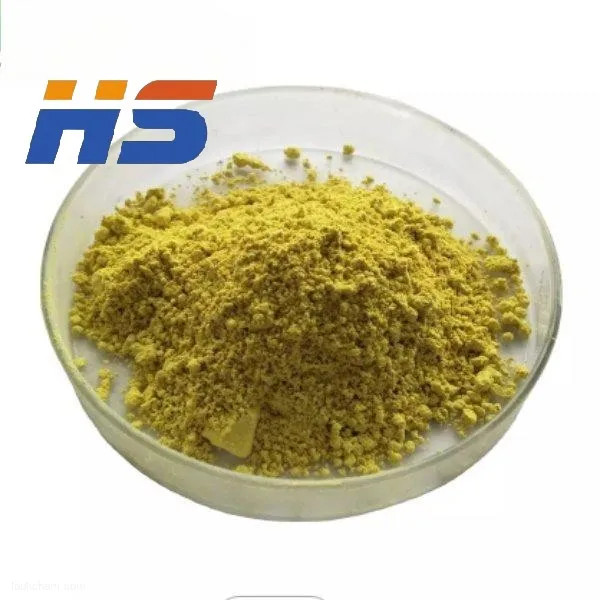
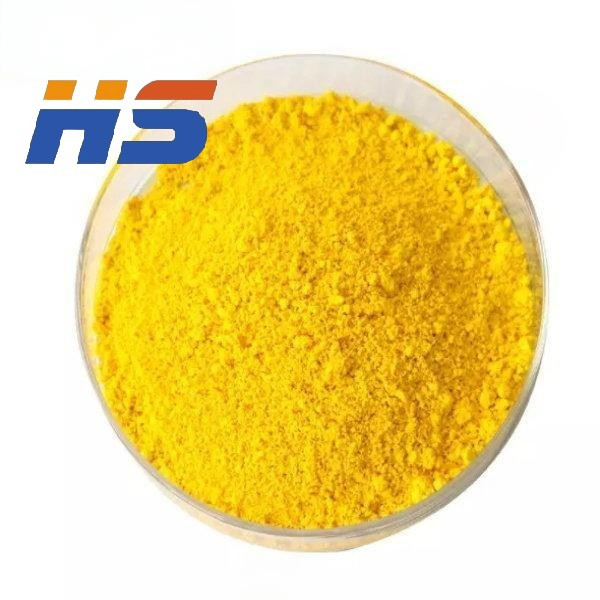
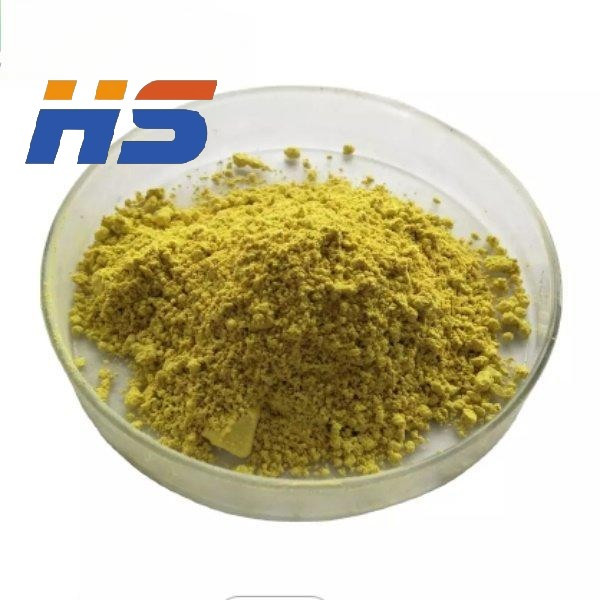
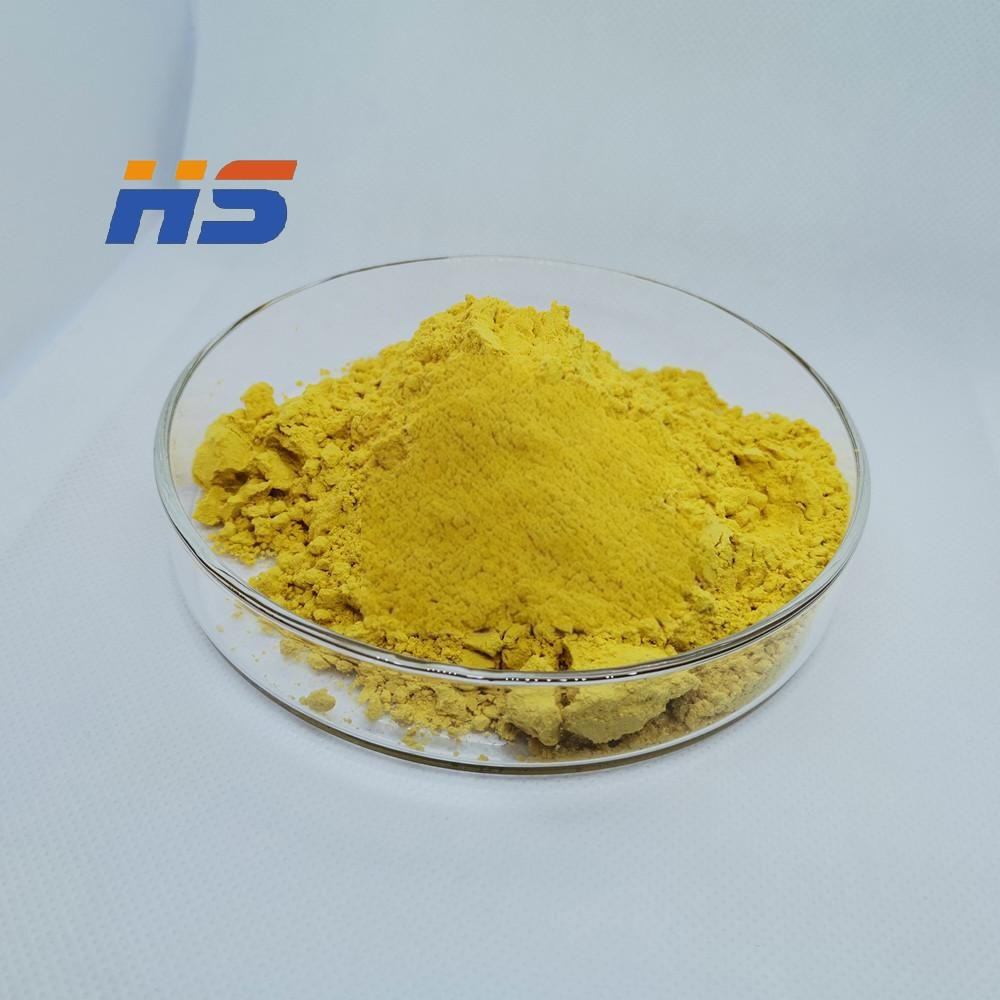
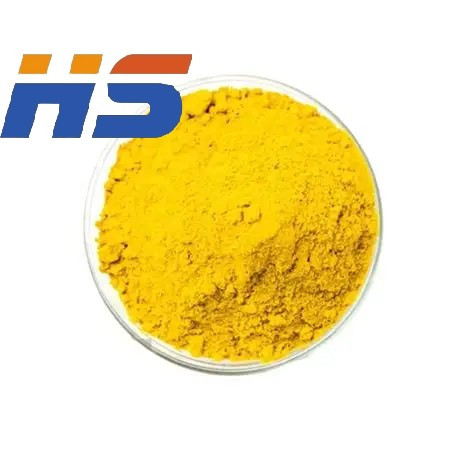
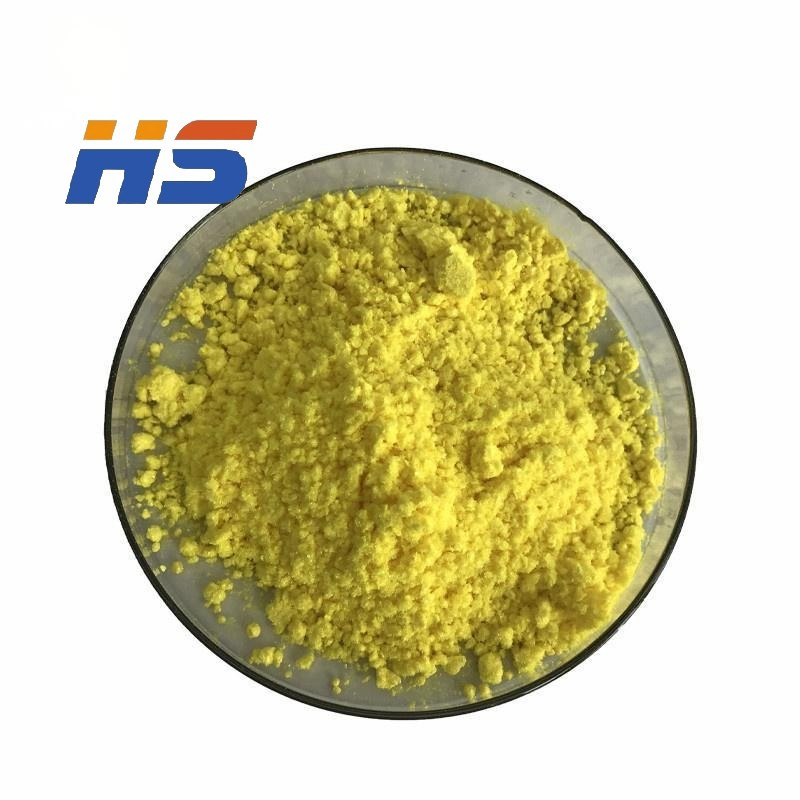
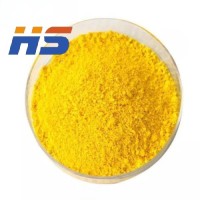
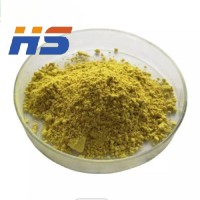
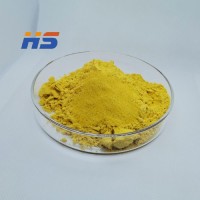
Yellow needle-like crystals. Melting point 286°C (sublimation); boiling point 377~381°C (760 mmHg, sublimation into yellow needle-like crystals). Vapor pressure: 5 x 10 mPa (20°C), 1 x 10 mPa (25°C, OECD 104). KowlgP = 3.52 (22°C). Henry constant 1.24X10Pam/mol (20°C, calculated). Relative density 1.44 (20°C). Solubility in water (20°C) 0.084 mg/L; solubility in other solvents (g/kg): chloroform 6.1, benzene 2.6 (20°C), ethanol 4.4, toluene 3.0, diethyl ether 1.1 (25°C). Stable under acidic or alkaline conditions. Uses: Used as a pulping and cooking aid in papermaking, it can reduce the amount of alkali used and shorten the cooking time.
Uses: Anthraquinone is mostly used in dyes, but its use as a pulping and cooking aid in papermaking is rapidly increasing. (1) Used in dye production: Anthraquinone is used as a raw material, and through sulfonation, chlorination, nitration, etc., a wide range of dye intermediates can be obtained, which are used to produce anthraquinone-based disperse dyes, acid dyes, vat dyes, reactive dyes, etc., forming a dye category with a complete chromatogram and good performance. According to statistics, there are more than 400 varieties of anthraquinone dyes, which occupy an important position in the field of synthetic dyes. (2) Used as a pulping agent in papermaking: Adding only a small amount of anthraquinone to the alkaline pulping liquor can accelerate delignification, shorten cooking time, increase pulp yield, and reduce waste liquor load. Currently, more and more paper mills are using anthraquinone additives. The consumption of anthraquinone as a pulping additive is growing rapidly. Anthraquinone also has other applications. Anthraquinone compounds can be used in the production of high-concentration hydrogen peroxide; in the fertilizer industry, they are used to manufacture the desulfurizing agent sodium anthraquinone disulfonate. In the dyeing and printing industry, they are used as discharge auxiliaries.
Uses: An important raw material for high-grade dye intermediates in organic synthesis, such as indanisole-based vat dyes, acid dyes, and some reactive dyes. Used as a pulping agent in papermaking and as a raw material for hydrogen peroxide, it can reduce the amount of alkali used and shorten cooking time. Adding only a small amount of anthraquinone to the alkaline pulping liquor can accelerate delignification, shorten cooking time, increase pulp yield, and reduce waste liquor load. Currently, more and more paper mills are using anthraquinone additives.