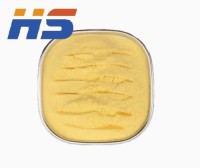
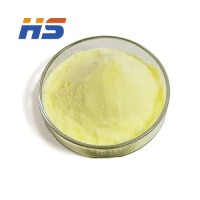
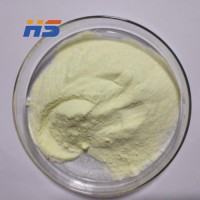
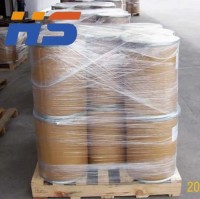
Superiority PackingStandard packaging includes the following: 25kg/drum Other package sizes are available upon request. StorageStore in a well-ventilated, cool, dry area, out of direct sunlight. Keep containers tightly closed when not in use. Period of validity24 months ? Product Superiority ? 1.High quality
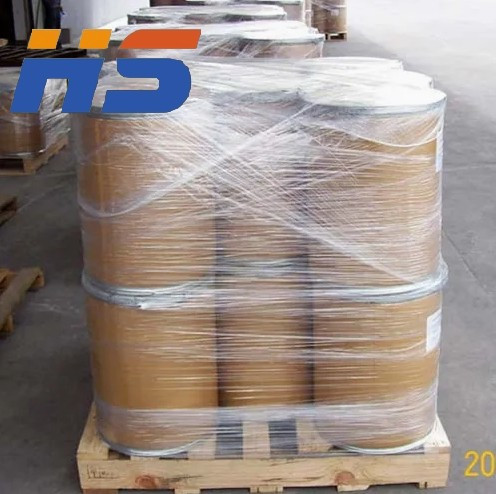
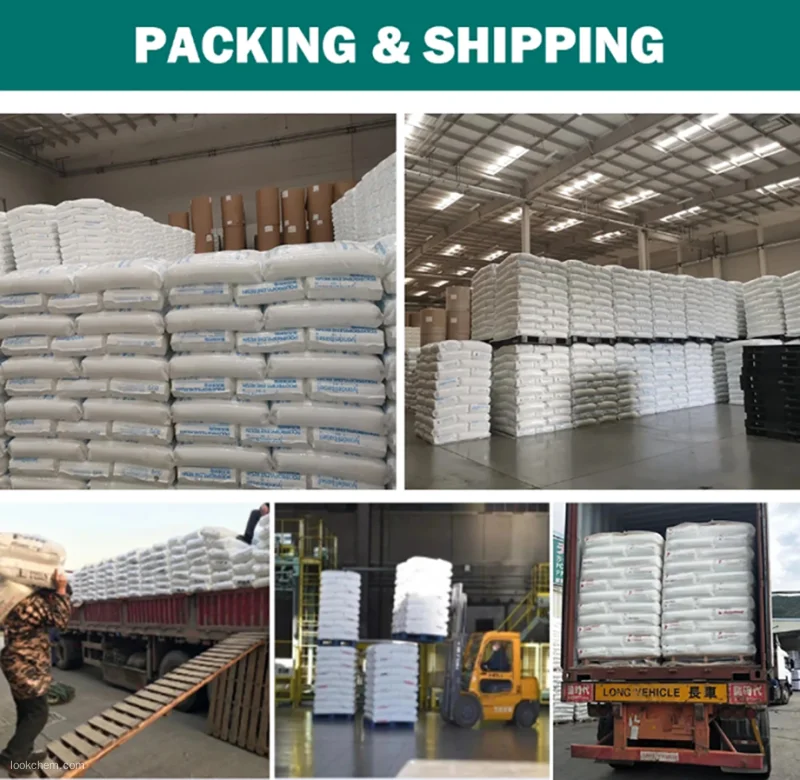
PackingStandard packaging includes the following: 25kg/drum Other package sizes are available upon request.
StorageStore in a well-ventilated, cool, dry area, out of direct sunlight. Keep containers tightly closed when not in use.
Period of validity24 months
?
Product Superiority
?
1.High quality with best price
2.Well reputation
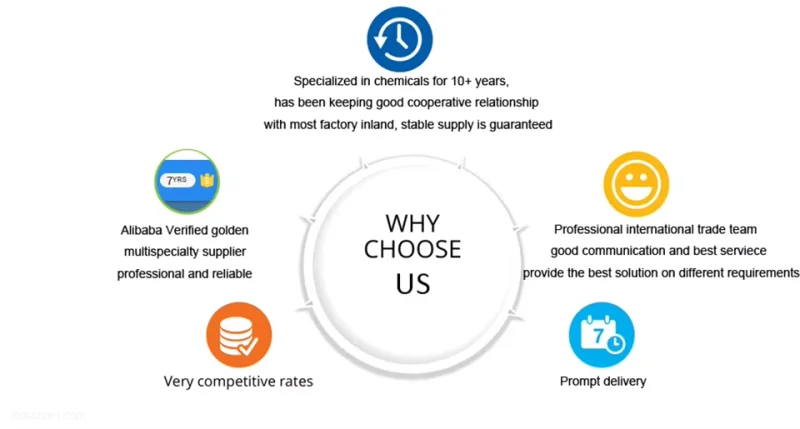
3.Factory with strong supply ability
4. Prompt shipment
?
Packing & Delivery
?

FAQ
1. who are we? We are based in Shandong, China, start from 2014,sell to Southern Europe(00.00%),Domestic Market(00.00%),South America(00.00%),North America(00.00%),Eastern Europe(00.00%),Africa(00.00%),Eastern Asia(00.00%). There are total about 11-50 people in our office. 2. how can we guarantee quality? Always a pre-production sample before mass production; Always final Inspection before shipment3. why should you buy from us not from other suppliers? Have a strong ability to warehousing logistics and release permit of dangerous goods export right and use right, has a strong factory as a backstop. 4. what services can we provide? Accepted Delivery Terms: FOB,CFR,CIF,EXW; Accepted Payment Currency :USD; Accepted Payment Type: T/T,L/C; Language Spoken:English,Chinese
?
Our services
<1> Free samples for customer further evaluation before order and after production.
<2>Quality controlling throughout the production,inspection and shipment.
<3> Packing according to customers requirements.
<4> the nearest port to customer site,very convenient for discharge
<5> Complete documents for customer customs clerance
Friends at home and abroad, welcome to our company.
Want to get the latest best offer call me NOW!!! PLEASE CONTACT ME !!!!!!!
Overview
UV absorbers are light stabilizers that absorb the ultraviolet (UV) radiation from sunlight and fluorescent light sources without undergoing any physical change. Under sunlight and fluorescent light, plastics and other polymers undergo auto-oxidation due to the effects of UV radiation, leading to polymer degradation and deterioration, resulting in poor appearance and mechanical properties. Adding UV absorbers selectively absorbs this high-energy UV radiation, converting it into harmless energy that is released or consumed. Because different polymers exhibit different UV wavelengths that cause degradation, different UV absorbers absorb different wavelengths of UV radiation. Therefore, the appropriate UV absorber should be selected based on the type of polymer used.
Ultraviolet (UV) Absorbers
They should possess the following characteristics: ① Strong absorption of UV light (especially wavelengths of 290-400nm); ② Good thermal stability, remaining unchanged even during processing due to heat, with low thermal volatility; ③ Good chemical stability, not reacting adversely with the components of the product; ④ Good miscibility, able to be uniformly dispersed in the material without blooming or seepage; ⑤ Good photochemical stability of the absorber itself, not decomposing or discoloring; ⑥ Colorless, non-toxic, and odorless; ⑦ Wash-resistant; ⑧ Inexpensive and readily available; ⑨ Insoluble or sparingly soluble in water. UV absorbers are used in plastics, coatings, dyes, automotive windshields, cosmetics, pharmaceuticals, sunscreens, etc.
Main Features
UVA absorber is a broadband, oil-soluble UV absorber. This product exhibits strong absorption across the entire UVA band (320-400nm), with a maximum absorption peak at 354nm. It is one of the best UVA absorbers currently available. Compared to UV1789 (avobenzone), it exhibits superior photostability. Due to its structural limitations, avobenzones UV absorption performance decreases significantly under ultraviolet light irradiation, necessitating the use of MC80 (octyl para-methoxycinnamate) and HMS (homosalate) for protection. In contrast, UVA absorber possesses excellent resonance and hydrogen ion transfer properties, ensuring its molecular structure remains intact during UV absorption, thus providing long-lasting protection.
UV-P absorber components:
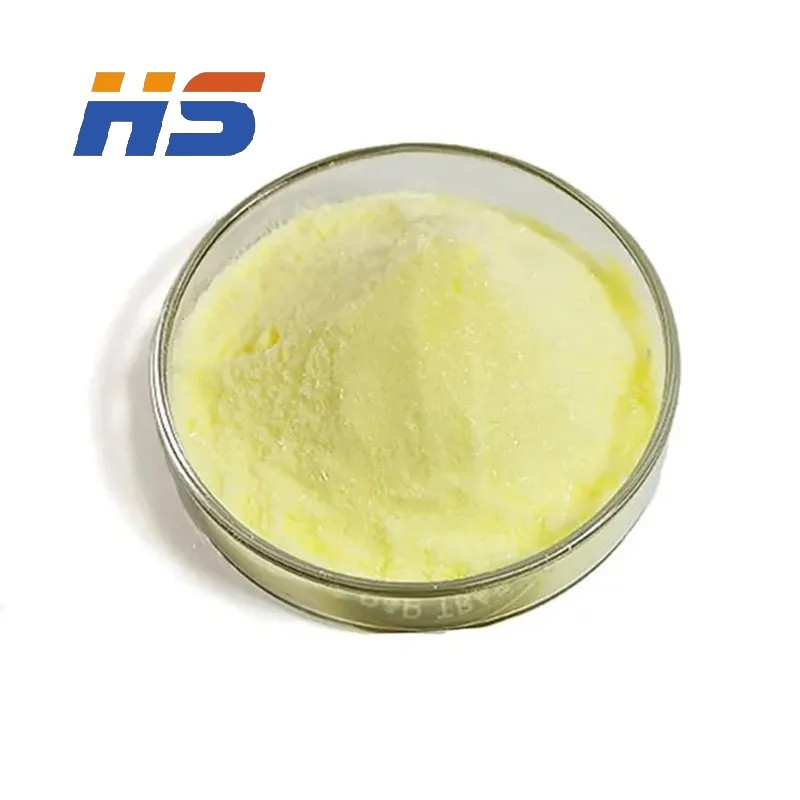
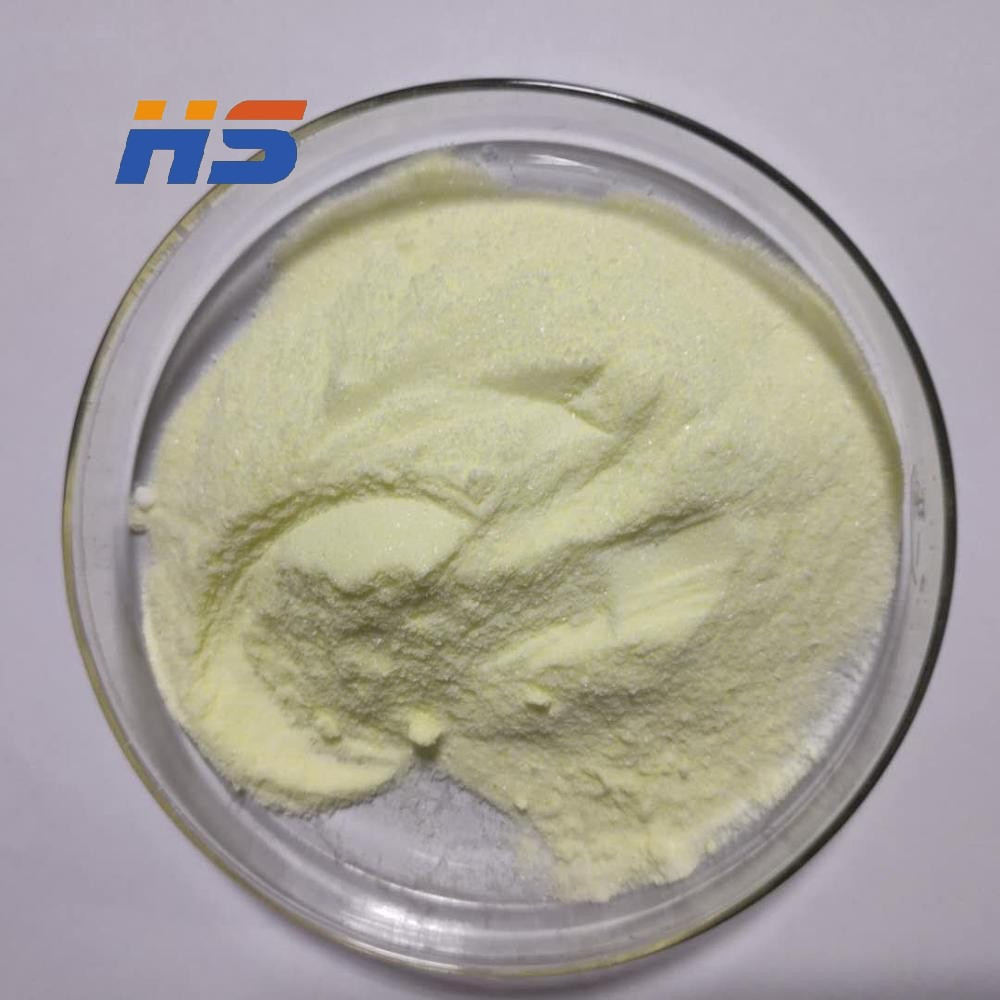
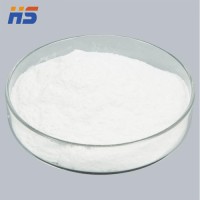
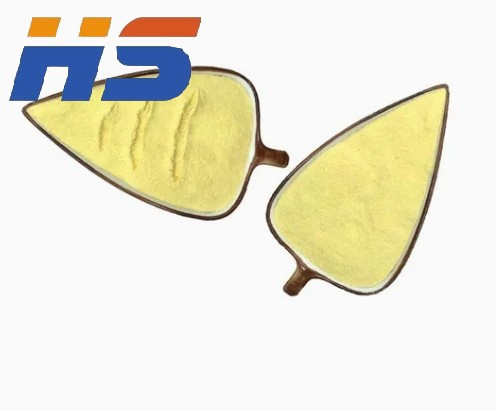
Reaction product of o-nitroaniline and p-cresol. Properties and uses: Appearance: Colorless or pale yellow crystals. Soluble in gasoline, benzene, acetone, and many other organic solvents. Extremely low solubility in water. Not decomposed by concentrated alkalis or acids. Can react with heavy metal ions to form salts. Absorbs ultraviolet light with wavelengths of 270–280 nm. Melting point: 130–131℃. UV-P, an ultraviolet absorber, is mainly used in resins such as polyester, chlorinated polyester, acetate, polyvinyl chloride, polystyrene, plexiglass, and polyacrylonitrile. Its stability is better in transparent products than in colored products. The dosage in products is 0.5%–0.5%.
Background
It regulates central hypertension by cleaving the N-terminal acidic residues of peptides such as angiotensin II through calcium-mediated regulation. Chemical Properties: Pale yellow needle-like crystals or white powder. Melting point: 142.6–144.6℃. Solubility at 25℃ (g/100 mL solvent): acetone >50, benzene 1, ethanol >50, water <0.5, n-heptane <0.5. Uses: Used as an ultraviolet absorber. Benzophenone derivatives derived from this product, such as 2-hydroxy-4-methoxybenzophenone (UV-9) and 2-hydroxy-4-n-octyloxybenzophenone (UV-531), as well as other monohydroxy, dihydroxy, trihydroxy, and tetrahydroxy compounds of this type, are the most widely used absorbing light stabilizers. It absorbs ultraviolet light in the 290-400 nm range and has good compatibility with most synthetic resins, making it widely used in polymer materials. 2,4-Dihydroxybenzophenone is suitable for polyvinyl chloride, polystyrene, epoxy resins, cellulose resins, unsaturated polyesters, coatings, and synthetic rubber. The maximum absorption wavelength range is 280-340 nm, and the typical dosage is 0.1-1%. However, its photostabilizing effect is not outstanding. The oral LD50 for this product is 8600 mg/kg in rats and 2336 mg/kg in mice.
Uses
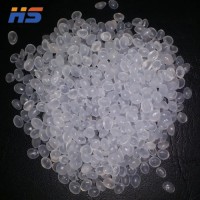
Suitable for use in polyolefins, polyvinyl chloride, and polystyrene, primarily as a light stabilizer in plastics, effectively protecting plexiglass and fabrics from light-induced deterioration. It is also used as an intermediate in the synthesis of other ultraviolet absorbers.
Uses
Primarily used as a light stabilizer in plastics, effectively protecting plexiglass and fabrics from light-induced deterioration. It is also used as an intermediate in the synthesis of other ultraviolet absorbers.