

Rapeseed Oil Properties Refractive Index n20/D1.47Storage Conditions 2-8°CSolubility Chloroform (slightly soluble), Ethanol (slightly soluble), Ethyl Acetate (slightly soluble)Appearance OilyColor Pale Yellow (low soluble)Stability Stable, keeps cool. Flammable. Incompatible with strong oxidizing agents. Cosmetic Ingredients and Efficacy Skin ConditioningEPA Chemical Substance Information Rapeoil (8002-13-9) Uses and Synthesis of Rapes
Rapeseed Oil Properties
Refractive Index n20/D1.47
Storage Conditions 2-8°C
Solubility Chloroform (slightly soluble), Ethanol (slightly soluble), Ethyl Acetate (slightly soluble)
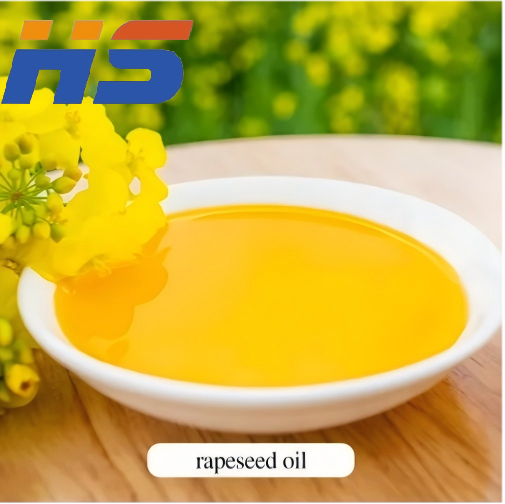
Appearance Oily
Color Pale Yellow (low soluble)
Stability Stable, keeps cool. Flammable. Incompatible with strong oxidizing agents.
Cosmetic Ingredients and Efficacy Skin Conditioning
EPA Chemical Substance Information Rapeoil (8002-13-9)
Uses and Synthesis of Rapeseed Oil
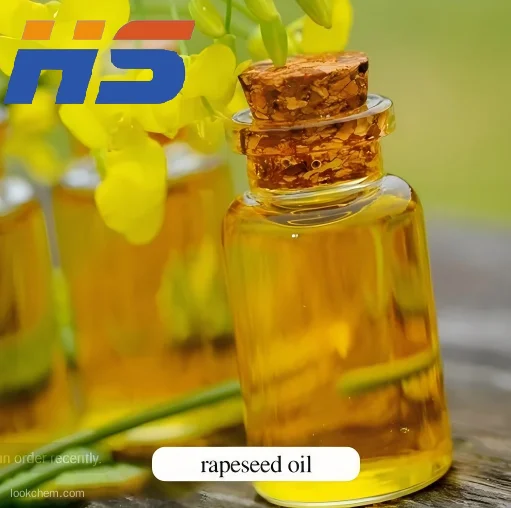
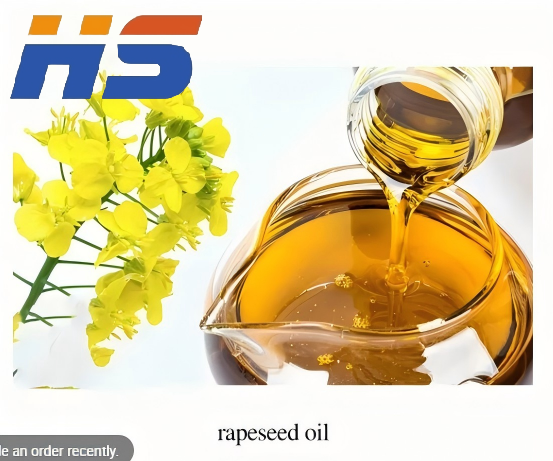
Introduction Rapeseed oil, also known as canola oil, is a transparent or semi-transparent liquid extracted from the seeds of the cruciferous plant Brassica oleracea (rapeseed). It is golden or brownish-yellow in color and has a slightly pungent odor. It is one of my countrys main edible oils, primarily produced in Hulunbuir, Inner Mongolia, the Yangtze River basin, and Northwest China, with China ranking first in global production. Rapeseed oil has high nutritional value, and its nutrients are easily absorbed by the human body, making it very beneficial. Rapeseed oil enters the liver meridian, promoting bile secretion and having liver-cleansing and bile-benefiting effects. It can also lower lipids and aid in weight loss. Long-term consumption is generally harmless. Of course, combining it with other oils can better supplement the bodys required elements.
Main Components: Contains uric acid, oleic acid, linoleic acid, linolenic acid, tocopherol, and rapeseed sterol. Source: Rapeseed (scientific name: Brassicanapus L.) is a herbaceous crop belonging to the Brassicaceae family and the Brassica genus. The stem is erect and branched, with only a few scattered bristles on young leaves; the petiole is 2.5-6 cm long, with lobes at the base; the middle and upper cauline leaves gradually change from oblong-elliptic to lanceolate, with a cordate base, clasping the stem. The inflorescence is a corymbose raceme; the pedicel is 6-12 mm long; the sepals are ovate, and the petals are pale yellow. The silique is linear, with a slender beak on the valves; the pedicel is about 2 cm long. The seeds are spherical, yellowish-brown, often with a blackish tinge near the hilum, and have a reticulate network of pits. Flowering occurs from March to April, and fruiting from April to May. Rapeseed oil, commonly known as canola oil or coriander oil, is a transparent or semi-transparent liquid extracted from the seeds of the cruciferous plant Brassica oleracea (also called rapeseed). It is golden or brownish-yellow in color and has a slightly pungent odor.
Extraction Process
The physical pressing process involves crushing the rapeseed with water (to prevent scorching) → roasting it in a pan (to 115 degrees Celsius) → pressing it in a screw press → extracting crude oil (semi-finished oil) → allowing the crude oil to settle → refining the crude oil (the traditional process involves heating the crude oil to 60-80 degrees Celsius, then diluting 3-5 kg ??of water per 100 kg of crude oil for refining, dephospholipid removal, decolorization, and deacidification) → dehydration to finally produce rapeseed oil. The traditional physical pressing method does not use any chemicals in the entire pressing and refining process, so there are no chemical residues. Uses: Directly used for leather fatliquoring and the production of sulfated oils.
Production Method: Extracted from rapeseed.